
 Spanish
 English
 French
 Turkish
 Russian
Guía para la selección de materiales de tela filtrante para prensas de filtro
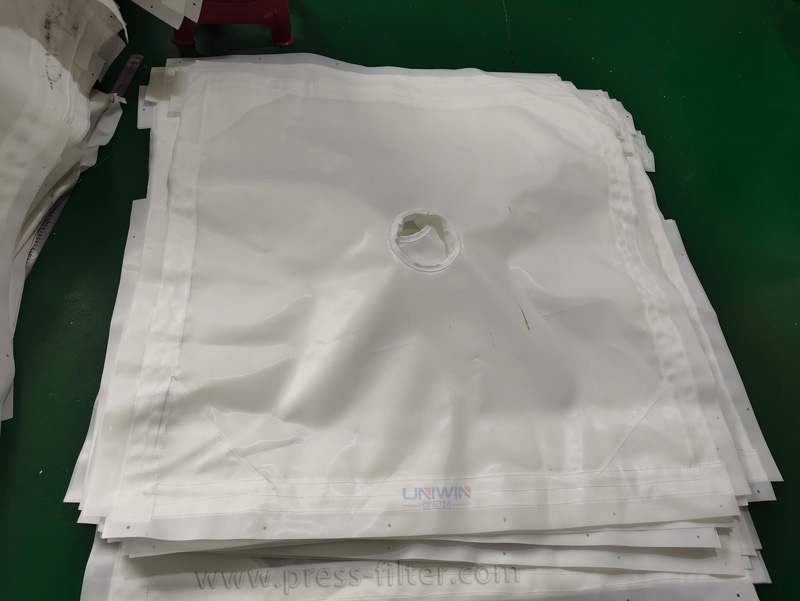
Acid-Base Properties of the Filtration Medium
This is the primary criterion for selecting filter cloth. If the material cannot withstand the chemical nature of the slurry, it will fail rapidly, regardless of how excellent its other specifications may be.
Polyester (PET) filter cloth
Suitable Applications: General filtration tasks; particularly well-suited for slurries with moderate corrosivity.
Examples: Mineral processing tailings, electroplating wastewater (weakly acidic), municipal sewage sludge dewatering, and coal-washing wastewater.
Characteristics: Good corrosion resistance at room temperature, high mechanical strength, and excellent cost-performance ratio.
Limitations: Not resistant to strong acids or strong bases; corrosion resistance decreases at high temperatures.
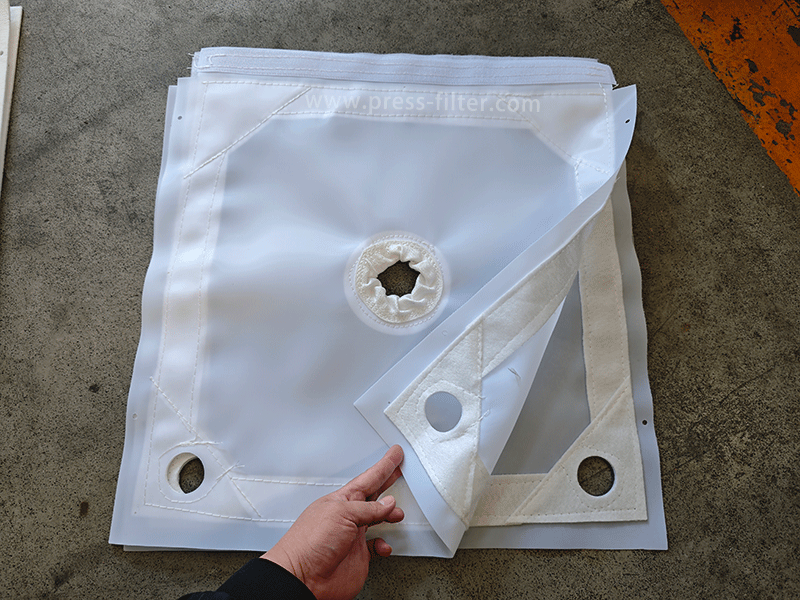
Polypropylene (PP) filter cloth
Applicable conditions: Environments with strong acids or strong alkalis
Examples of applications: Acidic waste liquor from chemical pickling, acidic slurries in phosphate fertilizer plants, cyanide-containing wastewater from electroplating, and alkaline mineral slurries
Characteristics: Excellent resistance to acids and alkalis; low density
Limitations: Relatively poor temperature
Nylon filter cloth
Suitable operating conditions: Strongly alkaline slurries; ambient or moderate temperatures.
Examples of applications: Sodium hydroxide preparation, alkaline mineral flotation, metallurgical leach liquors, and black liquor from the pulp and paper industry.
Characteristics: Excellent resistance to strong alkalis, superior abrasion resistance, and high tensile strength.
Limitations: Poor acid resistance, relatively high water absorption, and moderate dimensional stability.
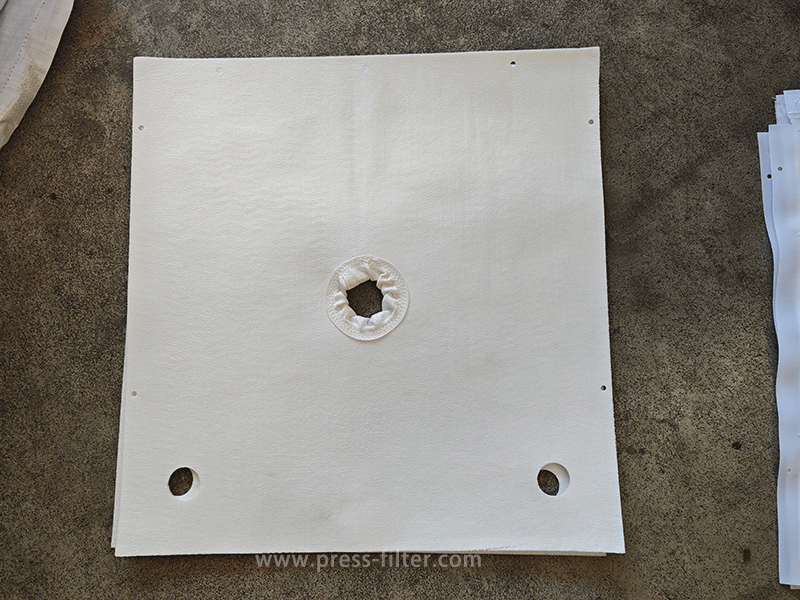
Slurry Temperature
The temperature of the slurry is a decisive factor in whether a material can operate stably over the long term. Exceeding the material’s temperature tolerance can lead to softening, deformation, or even melting, resulting in the premature failure of the filter cloth.
Polyester/Nylon
Applicable temperature: Generally below 120°C
Typical applications: High-temperature metallurgical slurries, ash-laden water in thermal power plants, high-temperature white water in the paper industry, and high-temperature alkaline slurries.
Polypropylene
Applicable temperature: Generally below 75–90°C
Typical applications: Chemical slurries at ambient temperature, acidic wastewater, and filtration processes in the food industry conducted at ambient temperature.
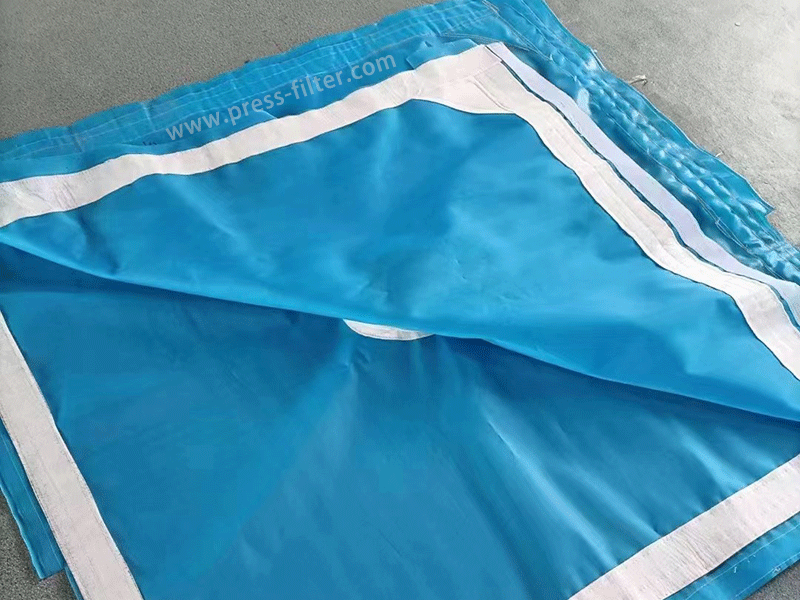
Filter Cake Characteristics and Conditions
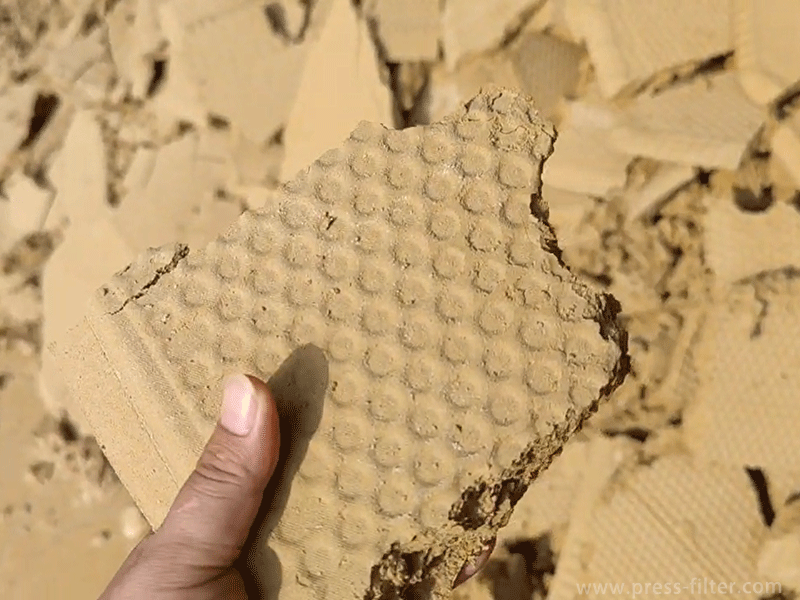
The morphology of the filter cake determines how easily it can be discharged from the filter cloth, which in turn affects filtration efficiency, production capacity, and the wear rate of the filter cloth.
Smooth, non-adhesive filter cake
Applicable conditions: Materials with uniform particle size and relatively low moisture content.
Examples: Dewatering of quartz sand or starch; filtration of sugar solutions.
Recommended material/structure: Standard multifilament fabrics are suitable; options include polyester or polypropylene.
Sticky filter cakes
Applicable conditions: Fine, highly viscous particles that tend to adhere to the surface of the filter cloth.
Examples: Sludge dewatering, biochemical sludge, dye slurries, and oily sludge.
Recommended materials/structures: Monofilament filter cloths or satin-weave structures; these offer a smooth surface that facilitates easy cake discharge. Surface coatings may also be considered.
Highly abrasive filter cakes
Applicable conditions: Particles with high hardness, sharp edges, and high density.
Examples: Dewatering of mineral ores, metal mine tailings, and wastewater containing abrasive materials.
Recommended materials/structures: Nylon filter cloths (which offer excellent abrasion resistance), multi-layer (double-layer) fabrics, or heavy-duty (thickened) filter cloths.
Selection Recommendations
When selecting a filter medium, evaluate the requirements across three dimensions, prioritizing the most stringent conditions:
- First, assess chemical compatibility to narrow down the range of suitable materials.
- Next, check the maximum temperature limit to eliminate options that cannot withstand high temperatures.
- Finally, examine the characteristics of the filter cake to determine the appropriate fabric structure and post-processing method.
- Take into account overall costs, service life, and the ease of replacement.